

Reserves Tours
From
$105
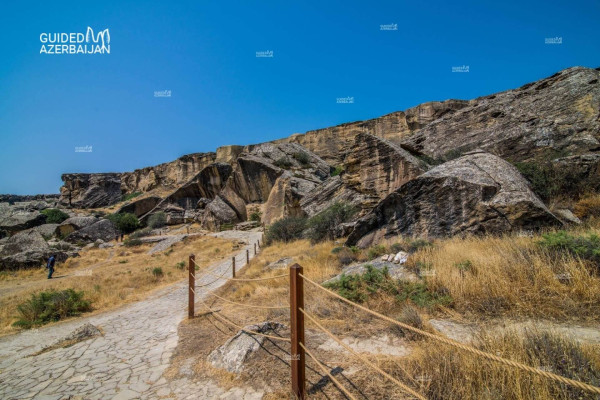
Gobustan, located in Azerbaijan, is rich in historical significance and boasts several important archaeological and historical sites. The area is primarily known for its ancient rock art, but there are other remarkable sites in the region that highlight its historical and cultural importance. Here are some of the key historical sites in Gobustan:
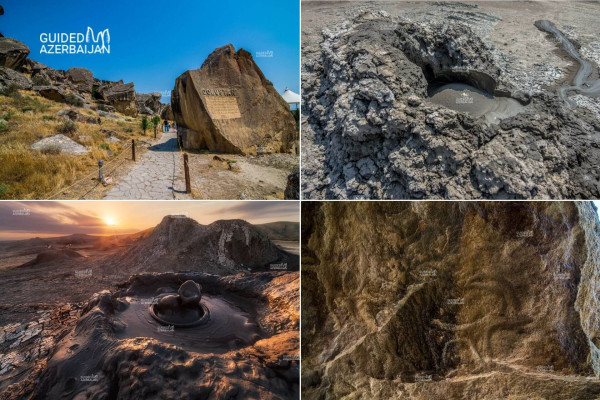
The Gobustan Petroglyphs are the most famous historical site in the region. These ancient rock engravings date back to between 5,000 and 40,000 years ago and are part of the Gobustan Rock Art Cultural Landscape, which is a UNESCO World Heritage Site. The petroglyphs depict scenes from daily life, including hunting, rituals, social interactions, and animal domestication. The site provides valuable insight into the lives of prehistoric communities in the region.
Gobustan National Park: This park encompasses the Gobustan Petroglyphs and is home to several archaeological sites that provide a deeper understanding of the region’s past. The park contains ancient settlements, tools, and other artifacts that offer clues about how early humans lived in the area. The archaeological layers found at these sites help researchers piece together the story of human development in the Caucasus region.
Gaval Dash (The Singing Rock): Located near the Gobustan Petroglyphs, Gaval Dash is a large stone slab that produces a unique sound when struck, hence its name "The Singing Rock." This phenomenon is likely the result of the rock’s structure and composition. The rock has cultural and historical significance, and it's believed to have been used by ancient peoples for rituals or musical purposes.
Ancient Settlements: Archaeological excavations in Gobustan have revealed evidence of ancient settlements that date back to the Stone Age. These settlements provide important information about the lives of early human communities in the region, including their living structures, tools, and daily activities. Gobustan was an area of significant human activity for thousands of years, and the remnants of these settlements offer a glimpse into prehistoric life.
Fossils and Footprints: In addition to petroglyphs and settlements, Gobustan is known for its fossilized remains, including footprints left by ancient animals. The Pleistocene-era fossils found in the region include traces of large mammals, which help researchers understand the environment and fauna that existed during prehistoric times. These fossilized remains provide a deeper understanding of the natural history of the area.
Gobustan Museum: To learn more about the region's history, the Gobustan Museum is a must-visit. Located near the Gobustan Petroglyphs, the museum features exhibitions on the history, archaeology, and geology of the area. It also provides information about the Gobustan Petroglyphs and the cultural and historical context of the Gobustan Rock Art Cultural Landscape.
Together, these historical sites make Gobustan a rich cultural and archaeological treasure trove. The region offers visitors a unique opportunity to explore ancient rock art, prehistoric settlements, and fossils while learning about the development of human societies in one of the world's oldest inhabited regions.
© 2025. All rights reserved
Guided Azerbaijan Travel & DMC


Please make sure your contact details, email, country code & number is correct